
Bourbon has become one of the most popular spirits in the world. From casual drinkers to dedicated collectors, millions of people appreciate its rich history, smooth character, and remarkable variety of flavors. If you have recently purchased your first bottle or are curious about America’s native whiskey, you may be asking one simple question: How to drink bourbon?
The answer is surprisingly simple. There is no single correct way to enjoy bourbon. Some people prefer it neat, while others enjoy it with ice, a splash of water, or in a classic cocktail. The best method depends on the bourbon you choose, your personal taste, and the experience you want.
Learning how to drink bourbon is not about following strict rules. It is about understanding how different serving methods affect aroma, flavor, texture, and finish. Once you know the basics, every glass becomes more enjoyable.
This complete guide will teach you everything you need to know about drinking bourbon. You will learn how to taste bourbon properly, choose the right glass, decide whether to drink it neat or on the rocks, pair it with food, and avoid the most common beginner mistakes.
Whether you are completely new to bourbon or looking to improve your tasting experience, this guide will help you enjoy every pour with confidence.
What Is Bourbon?
Before learning how to drink bourbon, it helps to understand what makes bourbon unique.
Bourbon is a type of American whiskey that follows strict production laws. To be labeled as bourbon, it must meet several legal requirements:
- It must be produced in the United States.
- It must contain at least 51 percent corn in the mash bill.
- It must be aged in new charred oak barrels.
- It must be distilled to no more than 160 proof.
- It must enter the barrel at no more than 125 proof.
- No artificial coloring or flavoring can be added.
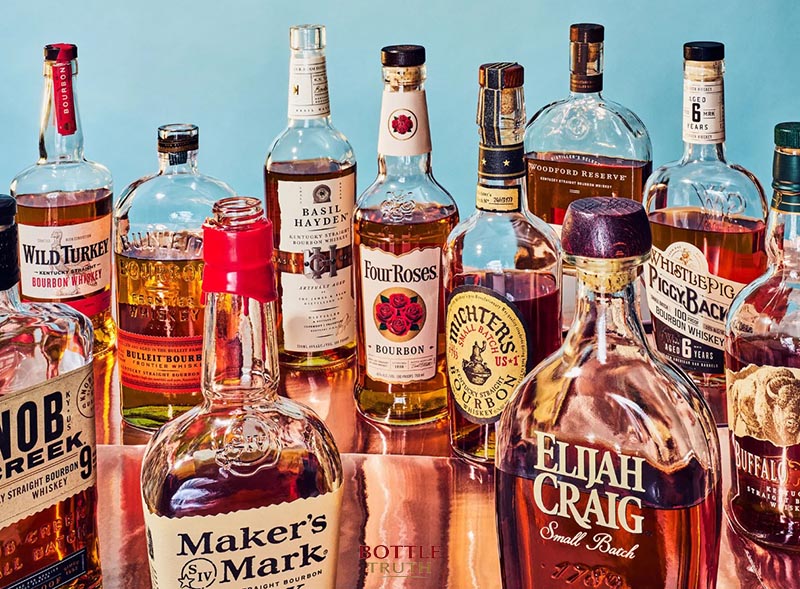
These regulations create a whiskey that is naturally sweeter than many other styles. Most bourbons display flavors such as vanilla, caramel, brown sugar, honey, toasted oak, cinnamon, and baking spices.
Compared with many Scotch whiskies, bourbon usually has less smoke and peat, making it an excellent choice for beginners.
Why Bourbon Is Easy to Enjoy
One reason bourbon continues to attract new drinkers is its approachable flavor profile.
The high percentage of corn gives bourbon a natural sweetness that balances the alcohol. Instead of overwhelming smoky notes, many bourbons offer familiar dessert-like flavors that are easy to appreciate.
Common tasting notes include:
- Vanilla
- Caramel
- Honey
- Maple syrup
- Brown sugar
- Toasted oak
- Cinnamon
- Nutmeg
- Dark chocolate
- Roasted nuts
These flavors make bourbon enjoyable whether you drink it neat or use it in cocktails.
Is There a Correct Way to Drink Bourbon?
Many people believe that serious bourbon drinkers only drink bourbon neat.
That is a myth.
Professional distillers, master blenders, whiskey judges, and experienced enthusiasts all enjoy bourbon in different ways depending on the bottle and the occasion.
The most popular serving methods include:
- Bourbon neat
- Bourbon with a few drops of water
- Bourbon on the rocks
- Bourbon in classic cocktails
Each method changes the flavor, aroma, and texture of the whiskey.
The best way to drink bourbon is the one that allows you to enjoy it the most.
Drinking Bourbon Neat
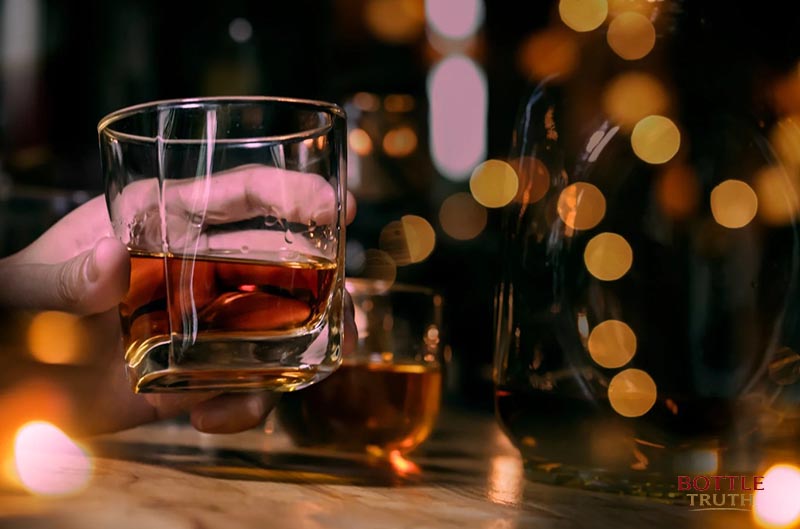
Drinking bourbon neat means serving it without ice, water, or mixers.
This is the purest way to experience a bourbon because nothing changes its original flavor profile.
Many bourbon enthusiasts prefer drinking premium bottles neat because it allows them to appreciate every layer of aroma and taste.
Advantages of Drinking Bourbon Neat
- Full aroma
- Rich mouthfeel
- Long finish
- Maximum flavor complexity
- No dilution
When drinking bourbon neat, pour about two ounces into your glass. Hold the glass for a few moments before taking your first sip. This allows the bourbon to open slightly and release more aromas.
Take small sips instead of large drinks. Bourbon is meant to be enjoyed slowly.
Drinking Bourbon with Water
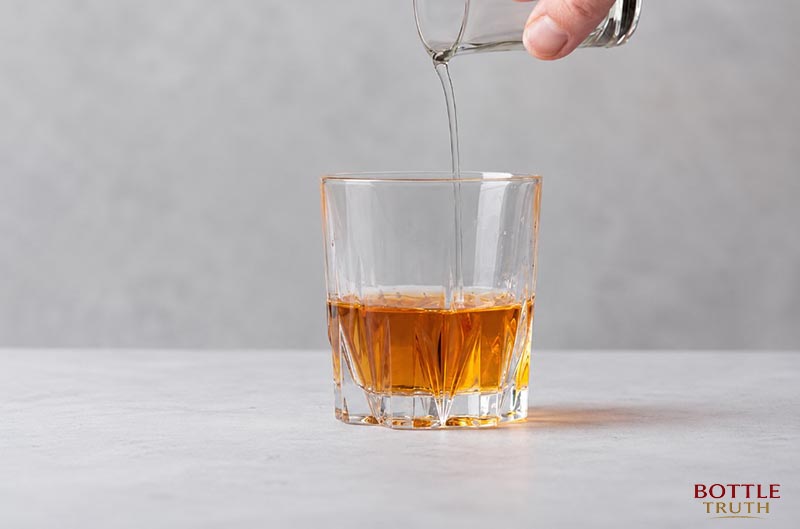
Adding water may seem unusual, but it is one of the oldest whiskey tasting techniques.
A few drops of water reduce the alcohol intensity and help release aromatic compounds that may be hidden in a high-proof bourbon.
Many professional whiskey judges add water during tastings because it makes subtle flavors easier to identify.
If you are drinking a bourbon over 100 proof, adding a small amount of water can make it noticeably smoother without removing its character.
Start with just two or three drops. Taste the bourbon again before deciding whether to add more.
Drinking Bourbon on the Rocks
Ice changes bourbon in two ways.
First, it lowers the temperature.
Second, it slowly dilutes the whiskey as it melts.
This combination softens the alcohol burn and creates a smoother drinking experience, making bourbon more approachable for beginners.
Large ice cubes or whiskey spheres are recommended because they melt more slowly than standard ice cubes.
Using large cubes keeps the bourbon cold while preventing excessive dilution.
Drinking Bourbon in Cocktails
Cocktails are another excellent way to enjoy bourbon, especially if you are new to whiskey.
A well-made cocktail highlights bourbon’s sweetness while balancing its strength with other ingredients.
Some of the most popular bourbon cocktails include:
Old Fashioned
The Old Fashioned is considered the classic bourbon cocktail.
Ingredients include:
- Bourbon
- Sugar
- Angostura bitters
- Orange peel
The cocktail enhances bourbon without hiding its flavor.
Whiskey Sour
The Whiskey Sour combines bourbon with lemon juice and simple syrup to create a refreshing balance between sweet and sour.
Many bartenders also include egg white for a silky texture.
Manhattan
The Manhattan blends bourbon with sweet vermouth and bitters to create a smooth, elegant cocktail that showcases the whiskey’s depth.
Mint Julep
The Mint Julep combines bourbon, fresh mint, sugar, and crushed ice. It is especially popular during the Kentucky Derby and is perfect for warm weather.
Choosing the Right Bourbon Glass
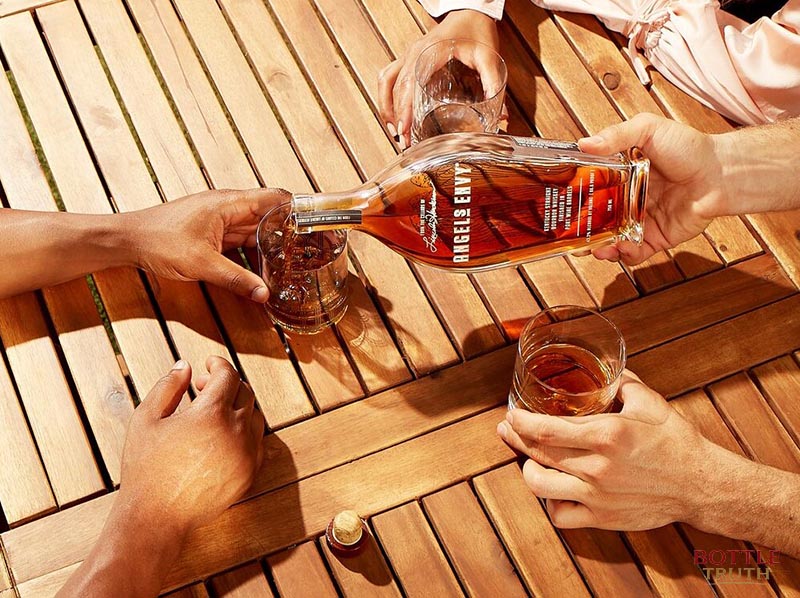
The glass you choose can make a noticeable difference in your bourbon experience. While any clean glass will work, certain styles are designed to enhance the aroma and flavor of whiskey.
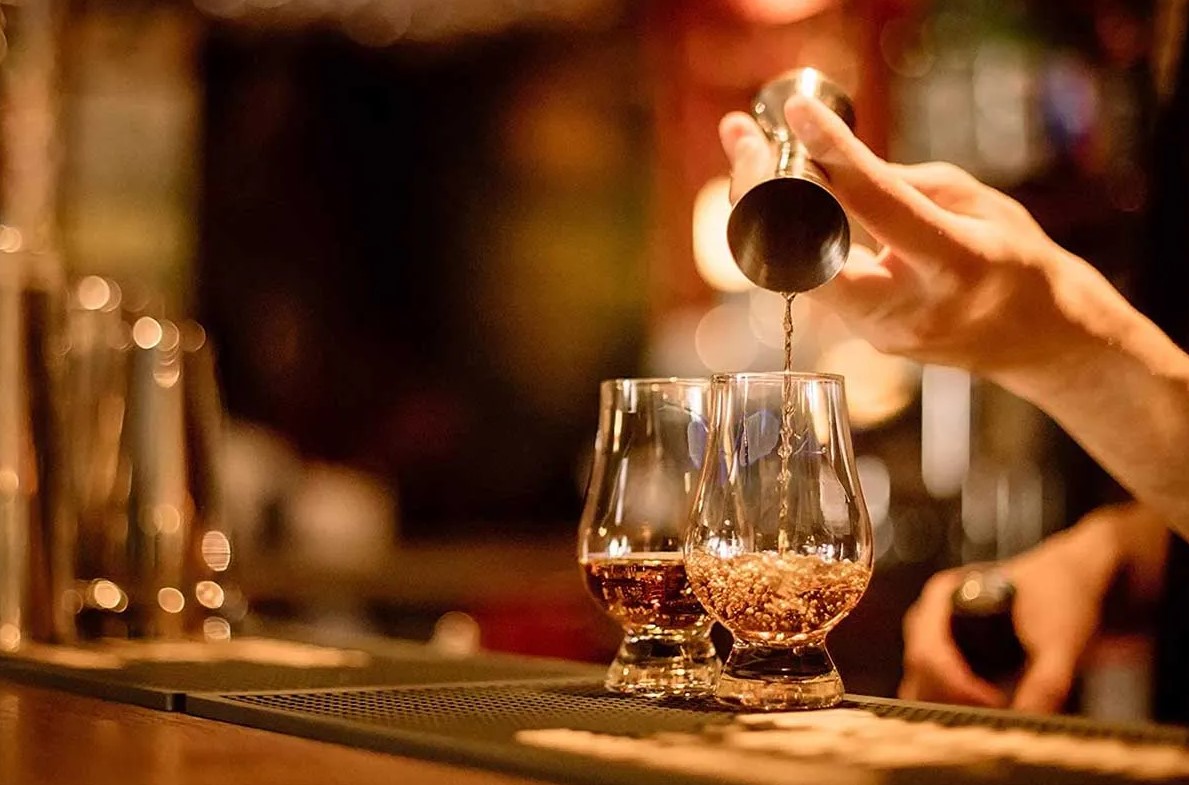
Glencairn Glass
The Glencairn glass is considered the gold standard for bourbon tasting. Its tulip-shaped design concentrates aromas toward the top of the glass, making it easier to detect subtle notes like vanilla, caramel, oak, and baking spices.
A Glencairn glass is ideal for:
- Bourbon tastings
- Small batch bourbon
- Single barrel bourbon
- Barrel proof bourbon
Rocks Glass
The rocks glass, also known as an Old Fashioned glass, is one of the most popular choices for casual bourbon drinkers.
Its wide opening makes it perfect for:
- Bourbon on the rocks
- Bourbon cocktails
- Everyday sipping
Although it does not concentrate aromas as well as a Glencairn glass, it offers a comfortable and relaxed drinking experience.
Snifter
A snifter is traditionally used for brandy but also works well for bourbon.
The large bowl allows the whiskey to breathe, while the narrow opening directs aromas toward your nose.
Tulip Glass
Many whiskey competitions use tulip glasses because they highlight delicate aromas and flavors. They are an excellent choice for premium bourbon tastings.
How to Taste Bourbon Like a Pro
Learning to taste bourbon properly can completely change your appreciation for the spirit. Instead of simply drinking it, you begin to notice layers of flavor that were previously hidden.
Step 1: Look at the Color
Hold your glass against a white background and observe the bourbon’s color.
You may notice shades such as:
- Golden amber
- Deep amber
- Copper
- Mahogany
While darker bourbon often comes from longer barrel aging, color alone does not determine quality.
Step 2: Smell the Bourbon
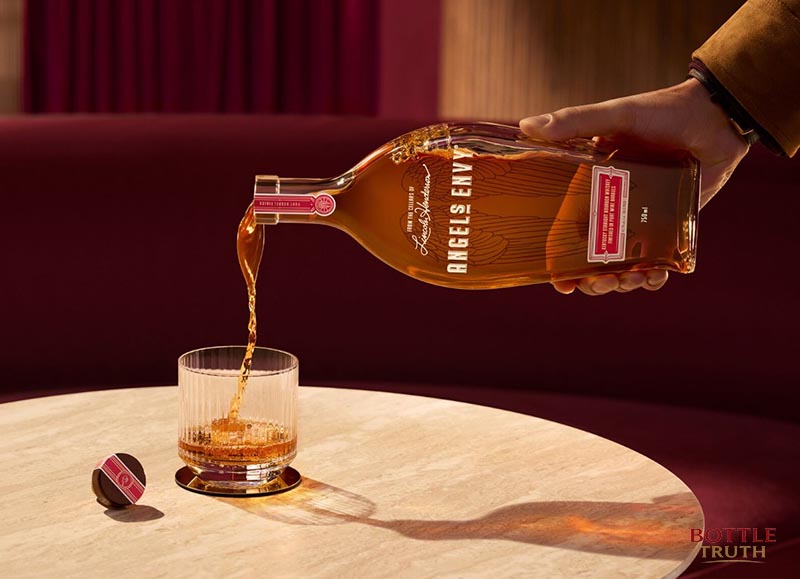
Before taking your first sip, spend a few moments enjoying the aroma.
Bring the glass close to your nose without placing it directly underneath.
Take short, gentle breaths.
Avoid inhaling too deeply because the alcohol can overwhelm your senses.
Common bourbon aromas include:
- Vanilla
- Caramel
- Honey
- Brown sugar
- Maple syrup
- Toasted oak
- Cinnamon
- Nutmeg
- Roasted peanuts
- Dark chocolate
- Orange peel
- Dried cherries
Each bourbon has its own unique aromatic profile.
Step 3: Take a Small Sip
Do not rush.
Take a small sip and allow the bourbon to coat your tongue.
Notice the balance between sweetness, spice, oak, fruit, and warmth.
Pay attention to the texture.
Some bourbons feel light and crisp.
Others are rich, creamy, or oily.
Step 4: Enjoy the Finish
After swallowing, continue paying attention to the flavors that remain.
This lingering sensation is known as the finish.
A longer finish often indicates a more complex bourbon, although personal preference always matters more than length.
>>> Read more: Best Bourbon for Beginners – 15 Easy-Drinking Bourbons to Start With
Understanding Bourbon Flavor Notes
Every bourbon tells a different story.
Depending on the mash bill, barrel, warehouse conditions, and aging process, you may discover a wide variety of flavors.
Sweet Notes
Many beginners notice these flavors first:
- Vanilla
- Caramel
- Honey
- Maple syrup
- Brown sugar
- Toffee
Fruity Notes
Some bourbons contain subtle fruit characteristics such as:
- Cherry
- Apple
- Pear
- Orange
- Raisin
- Fig
Spice Notes
Rye in the mash bill often contributes spice flavors including:
- Black pepper
- Cinnamon
- Clove
- Nutmeg
Oak Notes
Barrel aging creates flavors like:
- Toasted oak
- Charred wood
- Smoke
- Leather
- Tobacco
Recognizing these flavor groups helps you compare different bourbons and discover your personal preferences.
Best Serving Temperature for Bourbon
Temperature has a significant impact on aroma and flavor.
Most bourbon experts recommend serving bourbon at room temperature, ideally between 60 and 70 degrees Fahrenheit.
Serving bourbon too cold suppresses many of its aromas.
On the other hand, serving it too warm can make the alcohol feel more intense.
If you enjoy chilled bourbon, use one large ice cube instead of several small cubes to slow dilution.
How Much Bourbon Should You Pour?
A standard bourbon tasting pour is between 1.5 and 2 ounces.
This amount allows you to appreciate the whiskey without overwhelming your palate.
When comparing several bourbons, smaller pours are recommended.
Take your time between each sample and drink water to refresh your palate.
Bourbon Food Pairing Guide
Bourbon pairs surprisingly well with a wide range of foods.
The combination of sweetness, oak, and spice complements both savory and sweet dishes.
Grilled Steak
The caramelized crust of a grilled steak pairs beautifully with bourbon’s vanilla and oak flavors.
Smoked Barbecue
Barbecue and bourbon are a classic American combination.
Smoky meats enhance bourbon’s rich sweetness while balancing its spice.
Aged Cheese
Sharp cheddar, gouda, and parmesan create an excellent contrast with bourbon’s smooth character.
Pecans and Walnuts
Roasted nuts naturally complement bourbon’s toasted oak and caramel notes.
Dark Chocolate
Dark chocolate containing 70 percent cocoa or more creates one of the best dessert pairings for bourbon.
The bitterness of the chocolate balances the whiskey’s sweetness and produces a long, satisfying finish.
Best Bourbon for Beginners
If you are still exploring how to drink bourbon, choosing an approachable bottle is just as important as learning proper tasting techniques.
Excellent beginner-friendly bourbons include:
- Buffalo Trace
- Maker’s Mark
- Four Roses Small Batch
- Woodford Reserve
- Elijah Craig Small Batch
- Larceny Small Batch
- Old Forester 86 Proof
- Eagle Rare
These bourbons offer balanced flavors, moderate proof, and excellent value.
As your palate develops, you can gradually explore bottled in bond, single barrel, barrel proof, and higher-aged bourbons.
>>> Read more: Best Bourbon Under $75: Top Picks for Quality, Flavor, and Value
Common Mistakes to Avoid When Drinking Bourbon
Everyone starts somewhere, and even experienced bourbon drinkers continue to learn. Avoiding a few common mistakes can make your bourbon journey much more enjoyable.
Drinking Bourbon Too Quickly
Bourbon is made to be sipped, not consumed like a shot.
Take your time with each pour. Allow the flavors to develop on your palate and notice how they change from the first sip to the last.
Slowing down also gives your senses time to detect aromas that might otherwise go unnoticed.
Choosing High Proof Bourbon Too Soon
Many beginners assume that higher proof means better quality.
In reality, high proof bourbons often contain more concentrated alcohol, which can mask the delicate flavors underneath.
If you are new to bourbon, start with bottles between 80 and 100 proof. As your palate develops, you can gradually explore barrel proof and cask strength expressions.
Adding Too Much Ice
Ice can make bourbon smoother, but too much ice quickly dilutes the whiskey.
Instead of filling your glass with small cubes, use one large ice cube or a whiskey sphere. This keeps your bourbon cool while preserving more of its original flavor.
Ignoring the Aroma
A large part of the bourbon experience comes from its aroma.
Many people immediately take a sip without smelling the whiskey first.
Spend a few moments nosing your bourbon before tasting it. You may discover notes of vanilla, caramel, toasted oak, fruit, or baking spices that prepare your palate for the first sip.
Buying Bourbon Based Only on Price
Expensive bottles are not always better.
Some of the world’s most respected bourbons cost less than fifty dollars. Focus on finding bottles that match your taste preferences instead of chasing the highest price tag.
Comparing Every Bourbon to the Last One
Every distillery has its own style.
Some bourbons emphasize sweetness, while others highlight spice, oak, or fruit.
Instead of deciding which bourbon is “better,” ask yourself what makes each bottle unique.
How to Build Your Bourbon Palate
Developing your palate takes time, but a few simple habits can accelerate the process.
Taste Different Mash Bills
Try bourbons made with different grain recipes.
Compare a wheated bourbon like Maker’s Mark with a rye-forward bourbon such as Bulleit Bourbon.
Notice how wheat creates a softer profile while rye introduces more pepper and spice.
Compare Different Proof Levels
Taste an 86 proof bourbon alongside a 100 proof bottled in bond bourbon.
As you gain experience, try a barrel proof release to understand how proof influences flavor and mouthfeel.
Keep Tasting Notes
Recording your impressions is one of the fastest ways to improve.
For each bourbon, note:
- Aroma
- Flavor
- Mouthfeel
- Finish
- Overall impression
After tasting several bottles, you will begin to recognize patterns in the styles you enjoy most.
Attend Bourbon Tastings
Many liquor stores, bourbon clubs, and whiskey festivals host guided tastings.
These events allow you to sample multiple bourbons side by side while learning from experienced enthusiasts.
They are also a great way to discover new brands before purchasing a full bottle.
Frequently Asked Questions
What Is the Best Way to Drink Bourbon?
There is no single best way.
Many enthusiasts recommend tasting bourbon neat first. After that, you can decide whether to add a few drops of water, a large ice cube, or enjoy it in a classic cocktail.
Should Beginners Drink Bourbon Neat?
Yes.
Trying bourbon neat allows you to experience its natural aroma and flavor. If it feels too strong, adding a small amount of water can make it more approachable without changing its character too much.
Is It Acceptable to Mix Bourbon?
Absolutely.
Classic cocktails such as the Old Fashioned, Whiskey Sour, Manhattan, and Mint Julep have introduced millions of people to bourbon.
Quality bourbon works well both on its own and in carefully crafted cocktails.
Should Bourbon Be Refrigerated?
No.
Store bourbon upright in a cool, dark place away from direct sunlight.
Refrigeration is unnecessary and can reduce the aromas that make bourbon enjoyable.
Does Older Bourbon Always Taste Better?
Not necessarily.
Age is only one factor that influences quality.
Some six to eight year bourbons are exceptional, while some older bottles may develop excessive oak flavors.
The best bourbon is the one that suits your personal taste.
How Long Does an Open Bottle of Bourbon Last?
An unopened bottle can last for many years when stored properly.
Once opened, bourbon is best enjoyed within one to three years. Keeping the bottle tightly sealed and away from heat and sunlight helps preserve its flavor.
Final Thoughts
Learning how to drink bourbon is a journey rather than a destination. Every bottle offers a new opportunity to explore different aromas, flavors, and styles. There is no universal rule that says bourbon must be enjoyed in only one way.
Start by tasting your bourbon neat so you can appreciate its original character. Experiment with a few drops of water or a large ice cube to discover how the flavor evolves. As your confidence grows, explore classic bourbon cocktails, compare different mash bills, and sample bottles from a variety of distilleries.
Most importantly, drink bourbon at your own pace. Take time to enjoy the craftsmanship behind every pour and share the experience with friends and fellow enthusiasts. The more you explore, the more rewarding bourbon becomes.
