
Bourbon is one of the most beloved spirits in the world, celebrated for its rich caramel sweetness, vanilla notes, and smooth finish. Whether you’re a seasoned whiskey enthusiast or just beginning your bourbon journey, understanding how bourbon is made can deepen your appreciation for every sip.
At Bottle Truth, we believe that knowing the craftsmanship behind bourbon makes enjoying it even more rewarding. The bourbon-making process combines tradition, science, and patience to create a uniquely American spirit that has captured the hearts of whiskey lovers worldwide.
In this comprehensive guide, you’ll learn exactly how bourbon is made, including the ingredients, fermentation process, distillation methods, barrel aging requirements, and the factors that influence flavor.
What Is Bourbon?
Before diving into how bourbon is made, it’s important to understand what qualifies a whiskey as bourbon.
According to U.S. federal regulations, bourbon must:
- Be made in the United States
- Contain at least 51% corn in the grain mash
- Be distilled to no more than 160 proof (80% ABV)
- Enter the barrel at no more than 125 proof (62.5% ABV)
- Be aged in new, charred oak barrels
- Contain no additives or coloring
- Be bottled at a minimum of 80 proof (40% ABV)
Contrary to popular belief, bourbon does not have to be made in Kentucky, although approximately 95% of the world’s bourbon is produced there.
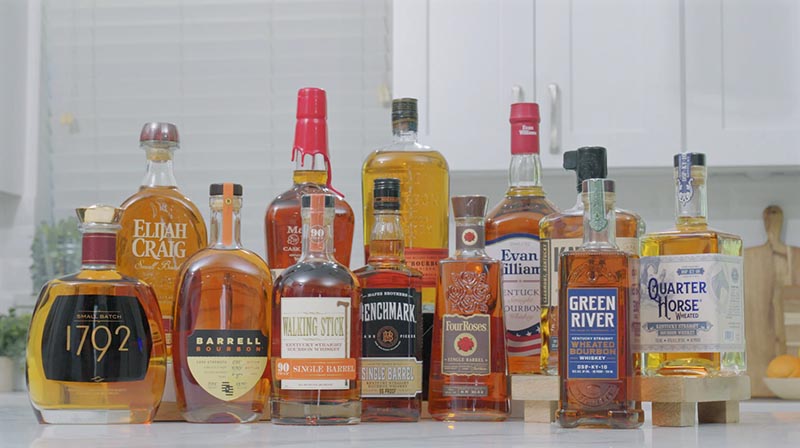
>>> Read more: What Is Bourbon? The Complete Beginner’s Guide 2026
The Main Ingredients Used to Make Bourbon
The journey of bourbon begins with a carefully selected grain recipe known as a mash bill.
1. Corn
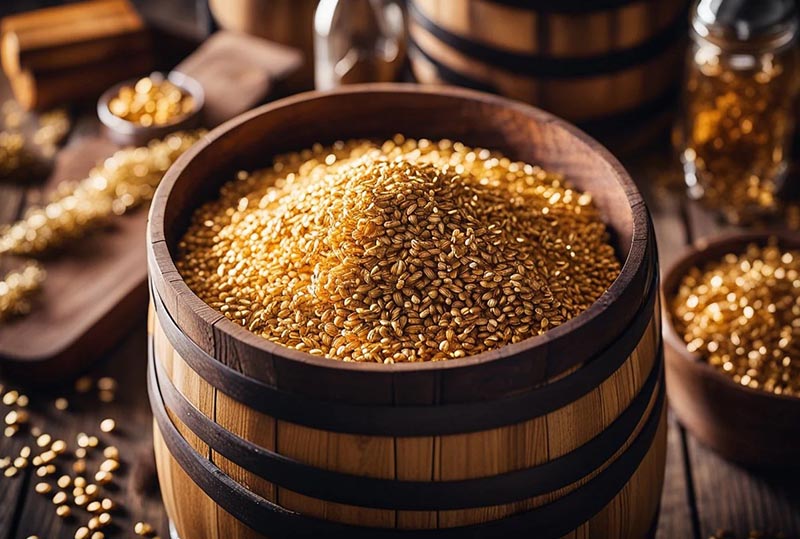
Corn is the defining ingredient of bourbon.
Since bourbon must contain at least 51% corn, it provides:
- Natural sweetness
- Caramel flavors
- Smooth mouthfeel
- Rich body
Many bourbons contain between 60% and 80% corn.
- Flavor Characteristics from Corn
- Sweet corn
- Caramel
- Honey
- Butterscotch
- Vanilla
2. Rye
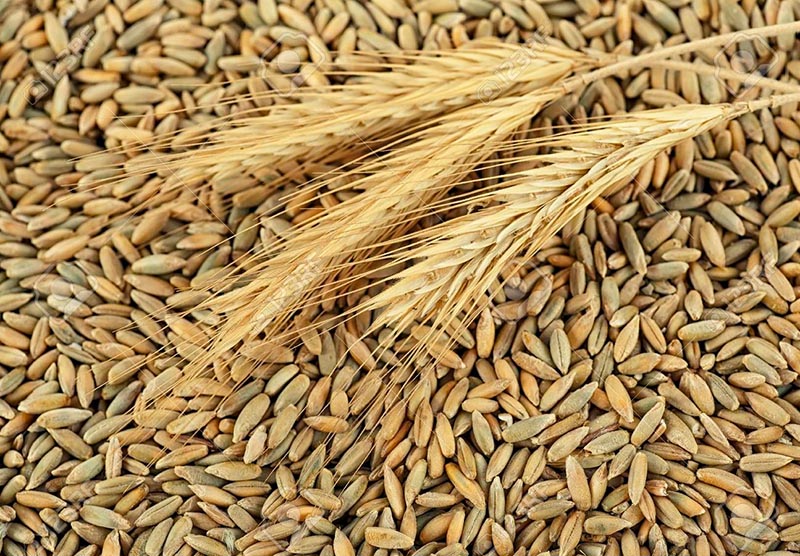
Many distilleries add rye to create complexity.
Rye contributes:
- Peppery spice
- Dryness
- Bold flavors
Examples of high-rye bourbons often have notes of:
- Black pepper
- Cinnamon
- Clove
- Baking spices
3. Wheat
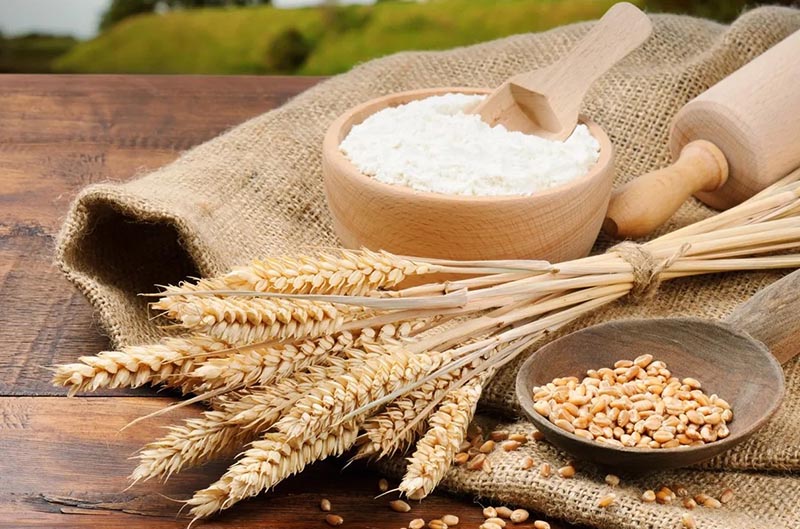
Some bourbons use wheat instead of rye.
Wheated bourbons are known for being:
- Softer
- Sweeter
- Smoother
Common flavor notes include:
- Bread
- Honey
- Cream
- Vanilla
Popular examples include wheated bourbon styles similar to those produced by famous Kentucky distilleries.
4. Malted Barley
Though usually comprising only 5–15% of the mash bill, malted barley plays a crucial role.
It provides enzymes necessary for converting starches into fermentable sugars.
Malted barley can add:
- Nutty flavors
- Light sweetness
- Toasted grain notes
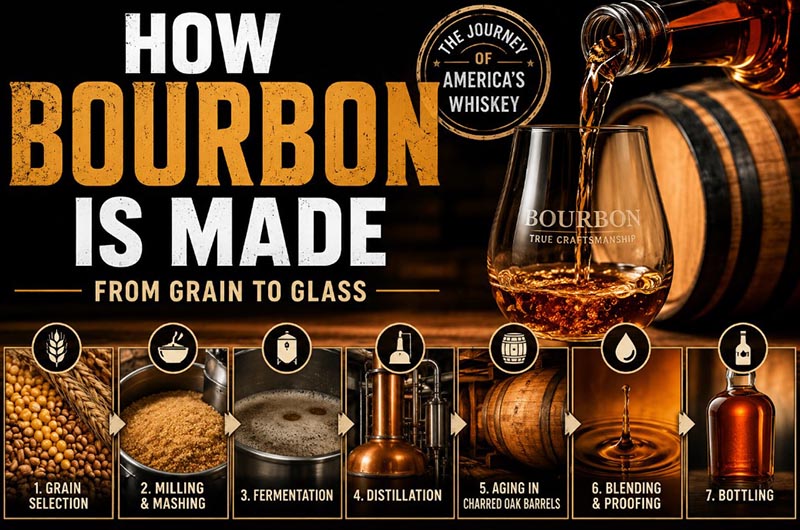
Step 1: Milling the Grains
The first stage of bourbon production is milling. The grains are ground into a coarse flour called grist.
Why milling matters:
- Increases surface area
- Improves starch extraction
- Enhances fermentation efficiency
The consistency must be carefully controlled because overly fine grain can create processing issues later.
Step 2: Mashing
Once the grains are milled, they are combined with hot water in large vessels called mash cookers. This stage is known as mashing.
What Happens During Mashing?
The heat breaks down starches found in the grains. Enzymes from malted barley then convert those starches into fermentable sugars. The result is a sugary liquid known as mash.
Typical Mashing Temperatures
Different grains are cooked at different temperatures:
- Corn requires the highest temperature
- Rye and wheat are added later
- Malted barley is added last to preserve enzymes
This process can take several hours.
The Sour Mash Process
Most bourbon producers use a technique called sour mash. This involves adding a portion of previously fermented mash into the new batch.
Benefits include:
- Consistent flavor
- Stable pH levels
- Improved fermentation control
- Reduced bacterial contamination
Despite the name, sour mash does not make bourbon taste sour.
Step 3: Fermentation
After mashing, the liquid is cooled and transferred to fermentation tanks. Yeast is then added. This stage is where the magic begins.
How Fermentation Works
Yeast consumes sugars and converts them into:
- Alcohol
Carbon dioxide
Flavor compounds
Fermentation typically lasts:
- 3 to 5 days
- Sometimes longer depending on the distillery
The resulting liquid is known as distiller’s beer.
It usually reaches:
- 7–10% alcohol by volume
Why Yeast Matters
Every distillery has its own yeast strain.
Many guard their yeast recipes as closely as trade secrets.
Yeast influences flavors such as:
- Fruit
- Spice
- Floral notes
- Esters
- Sweetness
Even with identical grain bills, different yeast strains can create dramatically different bourbons.
Step 4: Distillation
After fermentation, the liquid is ready for distillation.
Distillation separates alcohol from water and other compounds.
Column Still Distillation
Most modern bourbon distilleries use column stills.
Benefits
- Efficient production
- Consistent results
- Large-scale output
The fermented liquid enters the column still and is heated.
Alcohol vapor rises while heavier compounds remain behind.
The resulting spirit is often called white dog or new make spirit.
Doubler or Thumper
Many bourbon producers perform a second distillation using a doubler.
This additional step:
- Refines the spirit
- Increases purity
- Enhances flavor concentration
By law, bourbon cannot be distilled above 160 proof.
This preserves the grain character that defines bourbon.
Step 5: Filling the Barrel
After distillation, the spirit is diluted with water.
The proof must not exceed:
- 125 proof (62.5% ABV)
- before entering the barrel.
Why New Charred Oak Barrels Are Required
One of bourbon’s most important legal requirements is aging in new charred oak barrels.
These barrels contribute the majority of bourbon’s flavor.
What Charring Does
The inside of the barrel is burned with an open flame.
This creates:
- Charcoal layer
- Caramelized wood sugars
- Flavor compounds
The char acts like a filter while also adding complexity.
Flavor Compounds Created During Charring
The interaction between spirit and oak creates flavors including:
Vanilla
- Derived from lignin in the wood.
Caramel
- Created through caramelization of wood sugars.
Toffee
- Developed during aging.
Smoke
- Introduced through barrel char.
Coconut
- Produced by oak lactones.
Spice
- Derived from tannins and wood compounds.
Step 6: Aging the Bourbon
Aging is where bourbon develops its character.
The clear spirit gradually transforms into the amber liquid bourbon lovers know and enjoy.
How Long Is Bourbon Aged?
There is no minimum aging requirement for bourbon.
However:
- Straight Bourbon must age at least 2 years
- Bottled-in-Bond Bourbon must age at least 4 years
Many premium bourbons age:
- 6 years
- 8 years
- 10 years
- 12 years or longer
How Bourbon Matures
The aging process involves seasonal temperature changes.
During warm months:
- Bourbon expands into the wood
During cold months:
- Bourbon contracts back into the barrel
This continual movement extracts flavors from the oak.
The Angel’s Share
As bourbon ages, some liquid evaporates.
This loss is known as the Angel’s Share.
Depending on climate and warehouse conditions:
- 2–5% may evaporate annually
While this reduces volume, it concentrates flavors.
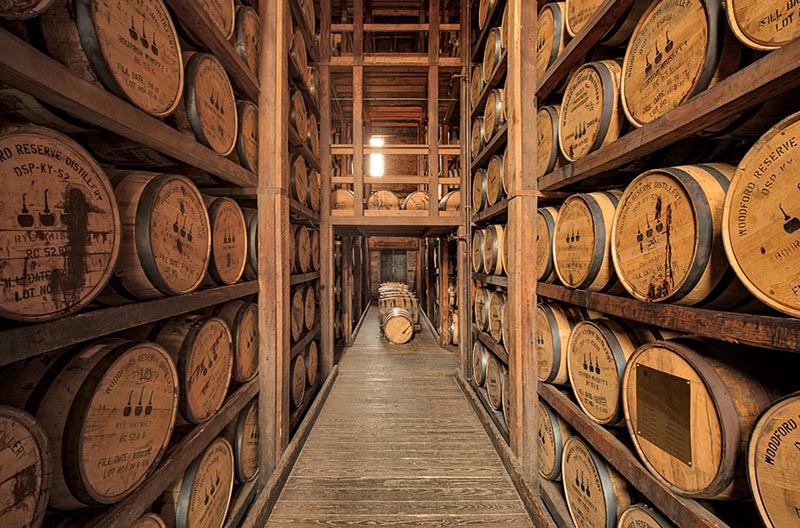
Rickhouses and Barrel Warehouses
Bourbon barrels are stored in structures called rickhouses.
Warehouse location greatly affects maturation.
Barrels stored:
- Higher Floors
Experience:
- More heat
- Faster aging
- Stronger oak influence
- Lower Floors
Experience:
- Cooler temperatures
- Slower maturation
- Softer flavor profiles
Many distilleries blend barrels from multiple locations to create consistency.
Step 7: Dumping and Blending
Once aging is complete, barrels are emptied.
This process is called dumping.
Master distillers then decide whether to:
- Bottle a single barrel
- Create small-batch bourbon
- Blend multiple barrels
Blending helps maintain a consistent flavor profile from batch to batch.
Step 8: Proofing and Bottling
Before bottling, bourbon is often diluted with purified water.
This adjusts the alcohol content to the desired proof.
Common bottling proofs include:
- 80 proof
- 90 proof
- 100 proof
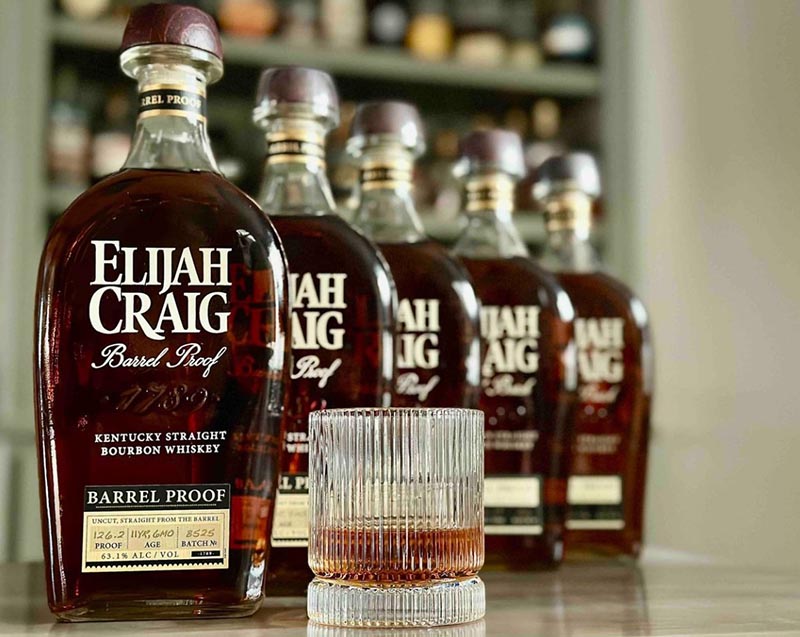
- Barrel proof (cask strength)
What Is Barrel Proof Bourbon?
Some bourbons are bottled directly from the barrel without dilution.
These are known as:
- Barrel Proof Bourbon
- Cask Strength Bourbon
Characteristics include:
- Higher alcohol content
- Intense flavors
- Full-bodied experience
Many enthusiasts consider barrel proof bourbon the purest expression of a distillery’s craftsmanship.
Factors That Influence Bourbon Flavor
Every bourbon tastes different because many variables affect the final product.
Mash Bill
Different grain ratios create different flavor profiles.
Yeast Strain
Unique yeast creates distinct aromas and flavors.
Distillation Method
Still design impacts texture and character.
Barrel Char Level
Different char levels produce different flavor compounds.
Aging Time
Longer aging generally adds complexity.
Warehouse Conditions
Temperature and humidity influence maturation.
Why Kentucky Is Famous for Bourbon
Although bourbon can legally be made anywhere in the United States, Kentucky dominates production because of:
- Ideal climate
- High-quality limestone-filtered water
- Centuries of distilling tradition
- Access to grain supplies
These factors have helped establish Kentucky as the spiritual home of bourbon.
How Bourbon Differs From Other Whiskeys
Many newcomers wonder about the difference between bourbon and whiskey.
Key distinctions include:
| Bourbon | Other Whiskey |
|---|---|
| Minimum 51% corn | Various grains |
| New charred oak barrels | Often reused barrels |
| Made in USA | Produced worldwide |
| Naturally sweeter | Flavor varies greatly |
These requirements give bourbon its signature sweetness and vanilla-forward profile.
Final Thoughts
Understanding how bourbon is made reveals the remarkable craftsmanship behind every bottle. From selecting the perfect mash bill and managing fermentation to careful distillation and years of aging in charred oak barrels, bourbon production is a blend of science, tradition, and patience.
The next time you pour a glass, take a moment to appreciate the journey from grain to glass. Every note of caramel, vanilla, oak, spice, and smoke is the result of countless decisions made by skilled distillers over many years.
Whether you’re exploring bourbon for the first time or expanding your whiskey knowledge, learning the bourbon-making process is one of the best ways to deepen your appreciation for America’s native spirit.
